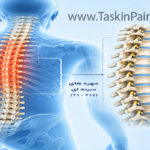
Headache is one of the most common physical complaints today. During periods of stress or anger, many people experience pressure or pain in the neck, shoulders, and back of the head. This condition is commonly known as an anger‑induced tension headache and is caused by involuntary muscle contraction rather than neurological changes, as seen in migraines.
When a person becomes angry or emotionally stressed, the body enters a constant alert state. The sympathetic nervous system activates, leading to prolonged contraction of the neck, shoulder, and jaw muscles. Over time, reduced blood flow and the buildup of lactic acid cause pain, stiffness, and a heavy sensation in the head.
People with anger‑induced tension headaches often experience:
Anger, anxiety, and chronic stress are the main triggers. Many people unknowingly clench their jaw or elevate their shoulders during emotional tension, leading to persistent muscle strain and recurring headaches.
Managing both emotional stress and physical tension is essential.
Recommended strategies include:
If tension or neck headaches occur frequently, painkillers alone are not enough. Addressing emotional triggers, maintaining healthy posture, and practicing relaxation techniques can significantly reduce the frequency and severity of anger‑induced tension headaches.