Almost everyone experiences rejection at some point in life. It may happen after the end of a romantic relationship, being ignored at work, getting turned down in a job interview, or feeling excluded from a group of friends. Many people describe the experience by saying, “It feels like my whole body hurts.”
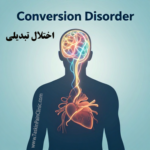
This is not merely an emotional expression. Neuroscience research shows that the human brain processes the pain of social rejection using some of the same neural networks involved in physical pain. As a result, many people experience genuine physical symptoms in addition to emotional distress after being rejected.
Social rejection occurs when a person feels they are not accepted, are ignored, or have been excluded from a relationship, group, or social situation. This experience can occur at any age and in many different circumstances.
Common examples include:
Although these situations differ in nature, the brain often interprets them as threats to social belonging and personal security.
Human beings are inherently social creatures. Throughout evolution, living within a group significantly increased the chances of survival. Consequently, the brain has evolved to perceive the loss of social connection as a serious threat.
When a person experiences rejection, brain regions involved in processing physical pain become activated as well. This overlap in neural activity helps explain why heartbreak, rejection, and social exclusion can produce real physical pain.
When rejection occurs, the brain enters a state of heightened alertness. This activates the body’s stress response, leading to increased production of stress hormones such as cortisol and heightened activity of the nervous system.
This response may lead to:
As a result, existing pain may worsen, or new physical symptoms may develop.
Yes. Many individuals report experiencing physical pain after being rejected, including:
However, experiencing these symptoms does not necessarily mean they are caused solely by psychological factors. Severe, persistent, or worsening pain should always be medically evaluated to rule out underlying physical conditions.
Chronic stress caused by rejection can keep the nervous system in a prolonged state of activation. This heightened sensitivity causes the brain to amplify pain signals.
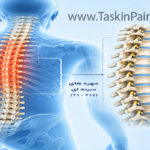
Consequently, individuals already living with chronic pain conditions—such as chronic low back pain, neck pain, joint pain, or fibromyalgia—may notice a significant increase in pain intensity following emotionally distressing experiences.
Although rejection can affect anyone, certain individuals may be more susceptible to its physical and emotional consequences, including:
Managing the emotional impact of rejection not only improves psychological well-being but may also help reduce physical pain.
Helpful strategies include:
If physical pain continues for more than a few weeks after experiencing rejection, becomes more severe, or is accompanied by warning signs such as unexplained weight loss, fever, limb weakness, or difficulty performing daily activities, medical evaluation is essential to rule out underlying physical disorders.
Social rejection is far more than an unpleasant emotional experience. It can trigger real and measurable changes in both the brain and the body. That is why many people develop symptoms such as low back pain, neck pain, headaches, muscle aches, or widespread body pain after heartbreak, divorce, social exclusion, or other forms of rejection.
Understanding the connection between mental health and physical pain is an important step in treating individuals with chronic pain. Addressing biological, psychological, and social factors together can improve quality of life and help prevent pain from becoming chronic.