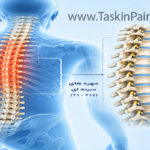
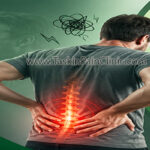
Chronic back muscle pain is one of the most common musculoskeletal conditions. It can significantly affect a person’s quality of life and make daily activities more difficult. Back muscle pain is considered chronic when it persists for more than three months.
The pain is commonly felt between the shoulder blades, in the middle back, or in the lower part of the spine. Many people believe that chronic back muscle pain is caused only by heavy physical activity. However, several factors can contribute to the development of this condition.
The symptoms of chronic back muscle pain may vary from person to person. Common symptoms include:
Several factors can contribute to chronic back muscle pain.
Prolonged sitting, frequent smartphone use, and slouching can place excessive strain on the back muscles.
Stress can cause continuous muscle tension, which may lead to chronic back muscle pain or worsen existing symptoms.
Weak muscles that support the spine can increase pressure on surrounding tissues and contribute to pain.
Old injuries, muscle strains, and sports-related trauma may cause chronic back muscle pain years after the initial injury.
Diagnosing chronic back muscle pain requires a thorough evaluation by a pain management specialist. In some cases, imaging studies such as MRI scans or X-rays may be recommended to rule out other spinal disorders.
High-intensity laser therapy is a modern, non-invasive treatment option for chronic back muscle pain. The laser energy penetrates deep into the tissues and stimulates the body’s natural healing processes.
Ozone therapy is a minimally invasive and effective treatment for chronic back muscle pain. During this procedure, medical ozone is injected into the affected area to reduce inflammation and stimulate tissue repair.
The following measures may help reduce the risk of chronic back muscle pain:
Chronic back muscle pain can interfere with daily life and become a long-term problem if left untreated. Fortunately, advanced treatments such as high-intensity laser therapy and ozone therapy may help reduce pain, control inflammation, and improve muscle function. Accurate diagnosis and an individualized treatment plan are essential for achieving the best possible outcomes.