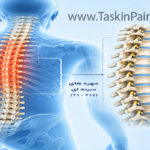
Pain is one of the most common challenges experienced by cancer patients. Effective pain management is essential to improve quality of life. In recent years, minimally invasive procedures and laser therapies have emerged as innovative options for controlling cancer-related pain. These approaches reduce tissue damage while helping relieve pain and improve patient comfort.
Minimally invasive techniques include medical procedures performed without major surgery. They are commonly used to relieve pain in cancer patients and typically involve targeted injections or precise medical instruments. As a result, they often carry fewer complications than traditional surgical methods.
Epidural and intra-articular injections deliver pain-relieving or anti-inflammatory medications directly to the affected area. By targeting the source of pain, these treatments can work faster and provide more effective relief.
Nerve block techniques involve injecting medication near specific nerves. This helps interrupt the transmission of pain signals to the brain. For many cancer patients, nerve blocks can significantly reduce severe and chronic pain.
Neurolysis is a procedure in which nerves responsible for transmitting pain are intentionally disrupted using chemical agents or heat energy. This option is usually considered for severe pain that does not respond to other treatments.
Pain pumps are small devices that deliver continuous, controlled doses of pain medication to the spinal cord or other targeted areas. With precise dosing, these pumps can improve pain control and help patients maintain comfort.
Laser therapy is a modern treatment option that can help reduce cancer-related pain. The type of laser used depends on the patient’s condition and the severity of symptoms.
Low-level laser therapy (LLLT) uses low-power lasers to stimulate cellular activity and reduce inflammation. It may help relieve musculoskeletal and neuropathic pain and can support tissue healing.
In some cases, high-power lasers are used to reduce tumor size or target specific cancer cells. This approach may be helpful for tumors in areas such as the head, neck, or digestive tract, where it can reduce pressure and pain.
These advanced treatments offer several benefits for cancer patients, including:
The best approach for cancer pain relief depends on many factors, including the type and stage of cancer, pain location and severity, and the patient’s overall health. Minimally invasive procedures and laser therapies are usually part of a broader pain management plan and may be combined with treatments such as chemotherapy, radiotherapy, or surgery.
Finally, it is essential to consult specialists in oncology and pain management. With accurate diagnosis and careful treatment planning, pain can be significantly reduced and quality of life improved.