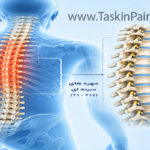
Chiari malformation is a relatively rare brain and spinal cord disorder in which a portion of the cerebellum descends into the spinal canal. This condition puts pressure on the brain and spinal cord and can cause symptoms such as headaches, neck pain, dizziness, and neurological problems.
Although many people may live for years without a diagnosis, awareness of the symptoms and consulting a doctor can prevent the development of serious complications.
Normally, the cerebellum is located in the lower part of the brain within the skull. In Chiari malformation, a part of the cerebellum extends into the spinal canal through an opening at the base of the skull called the foramen magnum.
This displacement can disrupt the flow of cerebrospinal fluid (CSF) and, over time, exert pressure on the nerves and spinal cord.
Symptoms vary depending on the severity of the condition, but the most common signs include:
In some cases, these symptoms may appear gradually over several years.
Doctors classify Chiari malformation into several main types:
1. Chiari Type I:
The most common type, usually diagnosed in adolescence or adulthood. In this type, a small portion of the cerebellum enters the spinal canal.
2. Chiari Type II:
Usually present from birth and often associated with spina bifida.
3. Types III and IV:
These types are very rare and are usually more severe.
The exact cause is not always known, but several factors may contribute to its development:
The best diagnostic method is an MRI scan of the brain and spine. This imaging can:
Occasionally, doctors may also use a CT scan or neurological examinations.
Treatment depends on the severity of the symptoms.
Non-Surgical Treatments:
In mild cases, a doctor may recommend:
Surgical Treatment:
In more severe cases, posterior fossa decompression surgery is performed. The goals of this surgery are:
If left untreated, the condition may lead to:
You should consult a neurologist if you experience:
Early diagnosis can prevent the condition from progressing.
Chiari malformation is a rare disorder of the brain’s structure that can cause pressure on the spinal cord and neurological symptoms. Through MRI imaging, accurate diagnosis, and appropriate treatment, this condition can be managed to improve the patient’s quality of life.