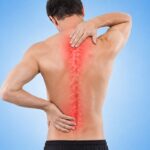
Discectomy is one of the most common treatments for lumbar disc herniation, which aims to reduce pressure on the nerve roots and relieve pain. Depending on the severity of the herniated disc and the patient’s condition, there are different methods: open discectomy, microdiscectomy, endoscopic discectomy, and PLDD. Also, minimally invasive RF (radiofrequency) and PLDD (laser disc) methods are alternatives or supplements to discectomy that can be effective in reducing pain.
In an open discectomy, the surgeon makes an incision in the lower back and removes the protruding portion of the disc, relieving pressure on the nerve.
This procedure is suitable for large or complex discs.
A minimally invasive procedure performed using a surgical microscope. The goal is to remove the herniated portion of the disc with minimal damage to surrounding tissues.
Using an endoscope to access the disc with minimal incision and tissue damage. Short recovery period and quick return to daily life are the advantages of this method.
PLDD is a very minimally invasive procedure that uses laser energy to reduce the internal volume of the disc and relieve pressure on the nerve.
RF is a non-surgical procedure that uses radiofrequency waves to target painful nerves or inflamed tissue and reduce pain.
| Method | Being aggressive | Recovery period | Benefits | Disadvantages | Suitable items |
|---|---|---|---|---|---|
| Open discectomy | Top | Long | Direct surgeon view, suitable for large discs | Larger incision, more pain, higher complications | Large and complex disks |
| Microdiscectomy | Low | Short | Minimally invasive, small incision, less pain | Need for equipment and skilled surgeon | Moderate disc, marked nerve compression |
| Endoscopic discectomy | Low | Short | Minimal tissue damage, rapid recovery | Requires experience and advanced equipment | Small to medium disc, low-risk patient |
| PLDD (Laser Disc) | Low | Very short | No incisions, rapid pain relief | Suitable for small and medium discs | Small to medium disc, no severe tear |
| RF (Radiofrequency) | Non-surgical | Very short | No incisions, rapid pain relief | Temporary effect, needs to be repeated | Nerve pain, inflammation of the facet joints and nerve roots |
Pain Relief Clinic, managed by Professor Dr. Sirous Momenzadeh, is a specialized provider of pain treatment and minimally invasive surgery services for lumbar and cervical disc herniation.
At this center, all discectomy, PLDD, and RF procedures are performed with advanced equipment and by a team of experts so that patients experience the best treatment results.