Life is inevitably intertwined with a cycle of birth, growth, illness, and death. There comes a time when a disease has no definitive cure, and the focus must shift from treating the illness to relieving pain and improving the quality of life. At this stage, the concept of hospice care becomes particularly significant.
Hospice refers to a form of supportive and compassionate care designed for patients in the final stages of life. The primary goal of hospice is not to continue aggressive medical treatments, but rather to enhance comfort, reduce pain, and provide emotional and physical support to both the patient and their family.
Such services are typically offered to patients who no longer have the prospect of full recovery and are expected to be in the terminal phase of their illness, usually with a life expectancy of less than six months. At this point, human dignity and quality of life take precedence over medical intervention.
| Feature | Hospital Care | Hospice Care |
|---|---|---|
| Main Goal | Treating the disease | Controlling pain and symptoms |
| Place of Care | Hospital | Patient’s home or hospice center |
| Focus | Extending life | Improving quality of life |
| Medical Team | Specialist doctors | Multidisciplinary team (physician, nurse, psychologist, social worker, chaplain) |
One of the most vital aspects of hospice care is pain management. Patients in this stage often suffer from chronic or treatment-resistant pain that does not respond to ordinary medication. Here, the role of pain clinics and pain management specialists becomes crucial.
Pain clinics are among the key institutions providing services for patients requiring hospice care. Their focus lies in managing complex pain through scientific and innovative methods.
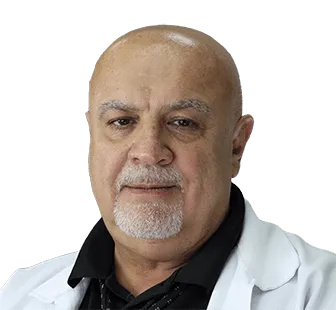
Professor Cyrus Momenzadeh, one of Iran’s most prominent figures in pain medicine, has played a pioneering role in developing hospice-related care. With many years of experience in managing resistant pain, he has helped cancer patients and those with advanced illnesses spend their final days with dignity, comfort, and minimal pain.
At his clinic, a variety of techniques are used, including:
These approaches ensure that patients receive not only physical relief but also mental and emotional support.
Alongside pain management, emotional and psychological support plays an essential role in hospice care. Patients nearing the end of life, as well as their families, require guidance and compassion to cope with the emotional challenges they face.
Modern pain clinics — including Professor Momenzadeh’s clinic — pay special attention to this human dimension by involving trained psychologists and counselors who provide holistic support to patients and their loved ones.
One of the key goals of hospice services is to allow patients to remain in the comfort of their own homes during the final phase of life. Receiving care in a familiar environment surrounded by family often brings a sense of peace and dignity.
Clinics such as Professor Momenzadeh’s Pain Clinic also extend hospice consultations and treatment services to patients at home, helping reduce the need for prolonged hospitalization.
Hospice care represents the intersection of science, compassion, and tranquility. It spares patients from unnecessary and painful medical interventions, allowing them to approach the end of life with dignity and peace.
The contribution of physicians and specialists such as Professor Cyrus Momenzadeh, who dedicate their expertise and empathy to pain management and palliative care, plays a decisive role in enhancing the quality of life for patients in their final journey.