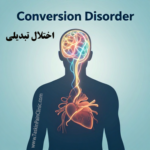
Physical pain in narcissists and their partners is not always caused by injuries to the muscles, joints, or spine. Scientific evidence suggests that chronic stress, emotional strain, and unhealthy relationships can affect the nervous system and contribute to the development or worsening of chronic pain. Living with a person who has narcissistic personality traits is one example. Although narcissism is not a direct cause of physical pain, the persistent stress associated with these relationships can increase the body’s sensitivity to pain.
Narcissism refers to a group of personality traits characterized by an excessive need for admiration, a sense of superiority, hypersensitivity to criticism, and reduced empathy toward others. Not everyone with these traits has Narcissistic Personality Disorder (NPD). However, when these characteristics become severe, they can significantly disrupt family, social, and professional relationships.
Physical pain in narcissists and their partners is often associated with long-term psychological stress rather than structural injury. When the body remains under continuous emotional pressure, the nervous system becomes overactive, reducing the pain threshold and making pain feel more intense.
Common factors that may worsen pain include:
These conditions may aggravate neck pain, shoulder pain, lower back pain, tension headaches, and widespread muscle pain.
Living with a controlling, emotionally abusive, or unemotional partner can create significant psychological stress. Over time, this may contribute to symptoms such as:
These symptoms are real medical concerns and should never be dismissed as “just stress” or “all in your head.”
When stress persists for a long time, the body continuously releases stress hormones such as cortisol and adrenaline. This can lead to:
In some individuals, prolonged stress contributes to Central Sensitization, a condition in which the brain processes pain signals more intensely than normal. As a result, pain may continue even after the original trigger has resolved.
Yes. Physical pain in narcissists and their partners is genuine. Pain is influenced by interactions between the brain, nervous system, muscles, nerves, and psychological factors. While stress can increase pain intensity, it does not mean that the pain is imaginary.
For this reason, chronic pain should always be evaluated from a biopsychosocial perspective, considering physical, psychological, and social factors together.
Relationship-related chronic stress may worsen:
Treatment depends on the underlying cause of the pain and usually requires a multidisciplinary approach. A pain management specialist may recommend:
The primary goal is to reduce pain, improve daily function, and enhance quality of life.
You should consult a pain management specialist if your pain:
Early diagnosis and appropriate treatment can help prevent chronic pain from becoming more severe.
Physical pain in narcissists and their partners may become worse because of chronic stress and unhealthy relationships. Although narcissism itself is not a direct cause of pain, ongoing emotional stress can increase nervous system sensitivity and intensify chronic pain conditions. A comprehensive evaluation that addresses both physical and psychological factors, combined with modern pain management strategies, can significantly improve a patient’s quality of life.